Why Joint Pain Is Not Wear and Tear - And What Really Causes Bone-on-Bone Pain
If your knees crack, your hips feel stiff, or your joints ache first thing in the morning, you’ve probably been told the same thing everyone hears: “It’s just wear and tear.” But what if that explanation is incomplete — and the real reason your joints hurt has nothing to do with aging cartilage at all?

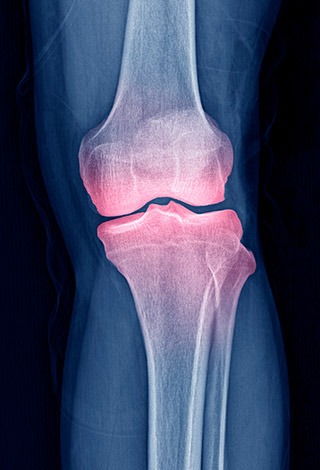
Why Traditional Joint Pain Treatments Fail?
Most joint pain solutions focus on cartilage or inflammation alone. That’s why so many people try painkillers, injections, or popular supplements and feel little to no lasting relief.
- • They don’t restore joint lubrication
- • They don’t nourish cartilage tissue
- • They don’t address what dries out joints over time
This is why bone-on-bone pain, stiffness, and swelling often return — sometimes worse than before.
The New Discovery Behind the “Joint Jello” Concept
Scientists studying unusually active seniors discovered something surprising: their joints weren’t worn out — they were well-lubricated.
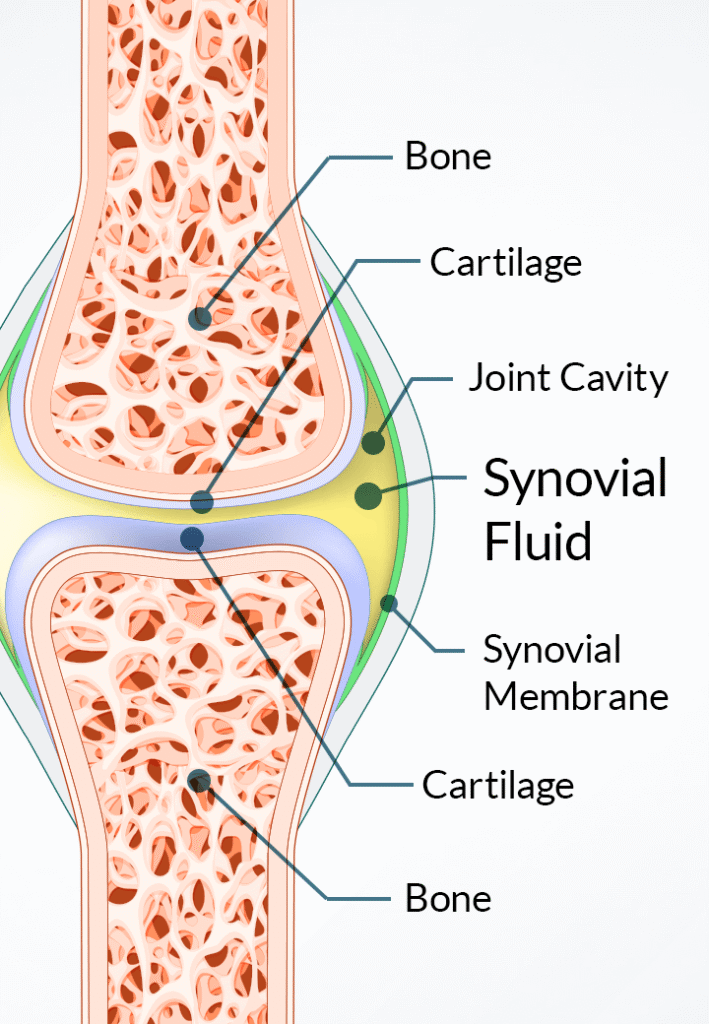
Inside every healthy joint is a thick, gel-like fluid called synovial fluid — often nicknamed “joint jello.” Its job is to cushion, lubricate, and protect your joints.
As we age, this joint jello can thin and dry out. When that happens, joints lose their smooth glide — leading to stiffness, inflammation, and painful grinding.
What Supporting Healthy Joint Jello May Help With
- Smoother joint movement
- Less stiffness in the morning
- Improved flexibility and comfort
- Reduced joint friction
Real-Life Experiences
“My knees stopped feeling dry and stiff every morning.” — Robert, 68
“I finally understood why nothing worked before.” — Linda, 59
“The bone-on-bone feeling eased over time.” — Michael, 72
“I stopped planning my day around pain.”— Brenda, 57
Frequently Asked Questions
What is the 10 second joint jello trick?
It refers to a simple daily habit that supports joint lubrication by helping replenish synovial fluid.
Is joint pain really not wear and tear?
Emerging research shows joint lubrication loss plays a major role, often more than cartilage damage alone.
What dries out joints as we age?
Reduced production of lubrication molecules, inflammation, and environmental factors all contribute.
Want to see the full explanation?
This short presentation explains the joint jello discovery in detail.
This site is not a substitute for professional medical advice , diagnosis, or treatment.
Results may vary.
Always consult with your healthcare provider before making health-or-death decisions.