A Little-Known Factor That May Be Affecting Vision in the Digital Age
How a personal wake-up call led me to rethink what modern screens may be doing to our eyes
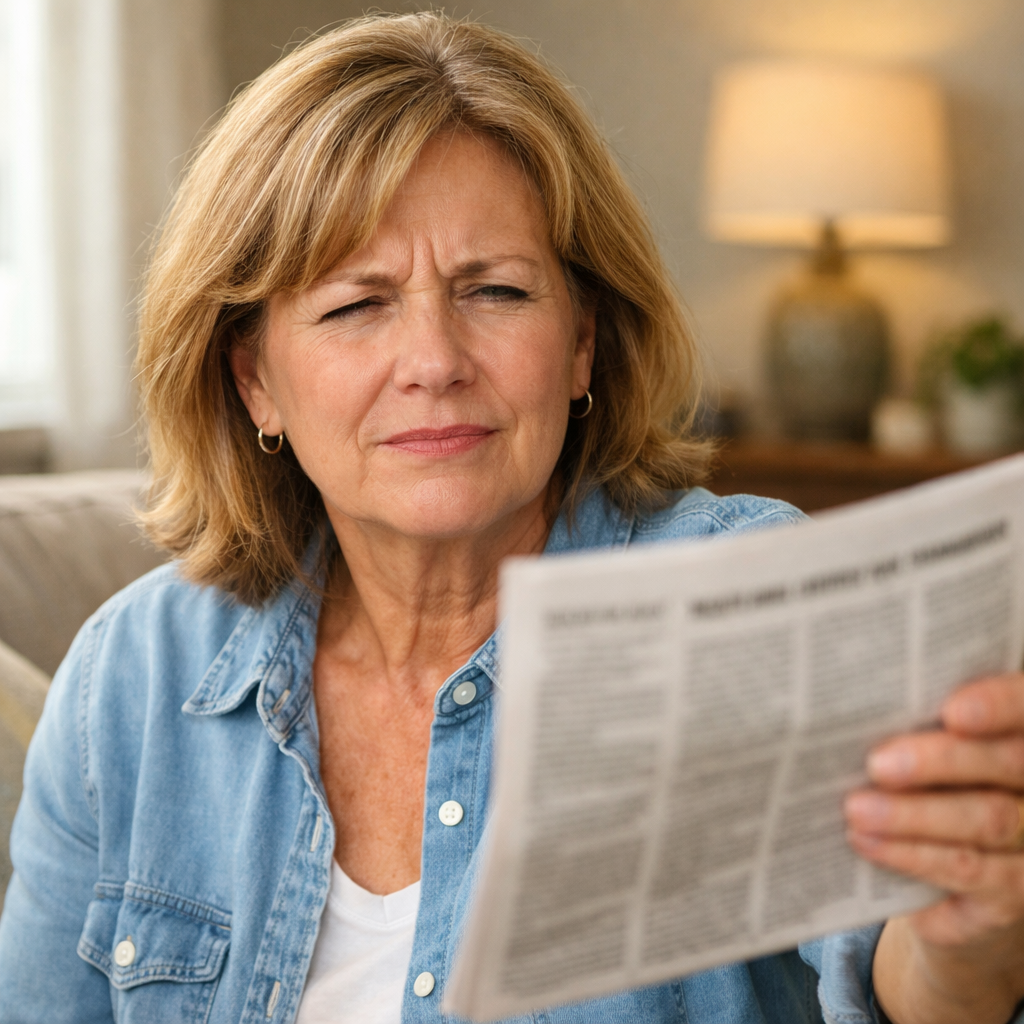
The world didn’t change overnight. Colors slowly felt less vivid. Small text became harder to read. Long hours in front of screens left my eyes feeling strained and tired. I tried adjusting my habits, changing glasses, even following the usual advice — yet something still felt off.
What surprised me wasn’t just how common these experiences are, but how little we talk about the everyday factors that may quietly influence visual comfort over time.
What I discovered challenged many assumptions I had about eye health in a screen-dominated world — and it’s information more people deserve to be aware of.
The Overlooked Effect of Screen Exposure on Everyday Visual Comfort
Feeling eye fatigue after long hours in front of screens
Struggling to maintain focus in low-light environments
Gradually avoiding certain activities at night
Trying different solutions without clear direction
Wondering how to better support eye health over time
Some Factors That May Affect Visual Comfort Over Time
Modern screen-heavy routines have changed how our eyes work throughout the day. While screens are a part of daily life, prolonged exposure may contribute to visual fatigue, reduced comfort, and difficulty maintaining focus — especially without proper habits and support.
Washing Out Colors
Colors may feel less vibrant after extended screen use
Frying Stem Cells
Eyes can feel slower to adjust when shifting focus
Stealing Your Focus
Visual comfort may decline after long periods of concentration
A Perspective That Changed How Researchers Look at Eye Health
But what if age and genetics aren’t the only factors influencing visual comfort?
In recent years, researchers have explored how certain biological processes play a role in how our eyes respond to daily stressors. Some of these findings, while not widely discussed outside scientific circles, suggest that the body has natural systems designed to support recovery and balance.
A researcher, motivated by personal experience, began examining overlooked data and publicly available studies — eventually contributing to a growing body of discussion around visual wellness and prevention.
The 4 Stages of Vision Decline
Your vision doesn't just 'go bad' overnight. It’s a slow, insidious decline, often starting so subtly you hardly notice. But each stage brings you closer to a future you dread. Can you identify which stage you're in right now?
Subtle Blurring
You need a little more light to read. Headlights start to glare at night. Colors lose their brightness. You blame fatigue or age, dismissing these as minor inconveniences.
Increasing Strain
The blur lingers longer after looking away from a screen. You see annoying floaters drifting across your vision. Your eyes feel constantly dry and strained. The world starts to lose its crispness, becoming noticeably hazy.
Daily Distortion
Reading small print is almost impossible. Faces grow harder to recognize. You find yourself relying heavily on glasses, which provide less and less relief.
The Fading World
The central blur doesn't go away. You struggle with even simple daily tasks. Your independence is slipping away rapidly, facing the grim reality of permanent vision loss.
No matter where you are on this path, there's a way back. This video holds the key to understanding *how* to recover it. Be open to "see" a new perspective!
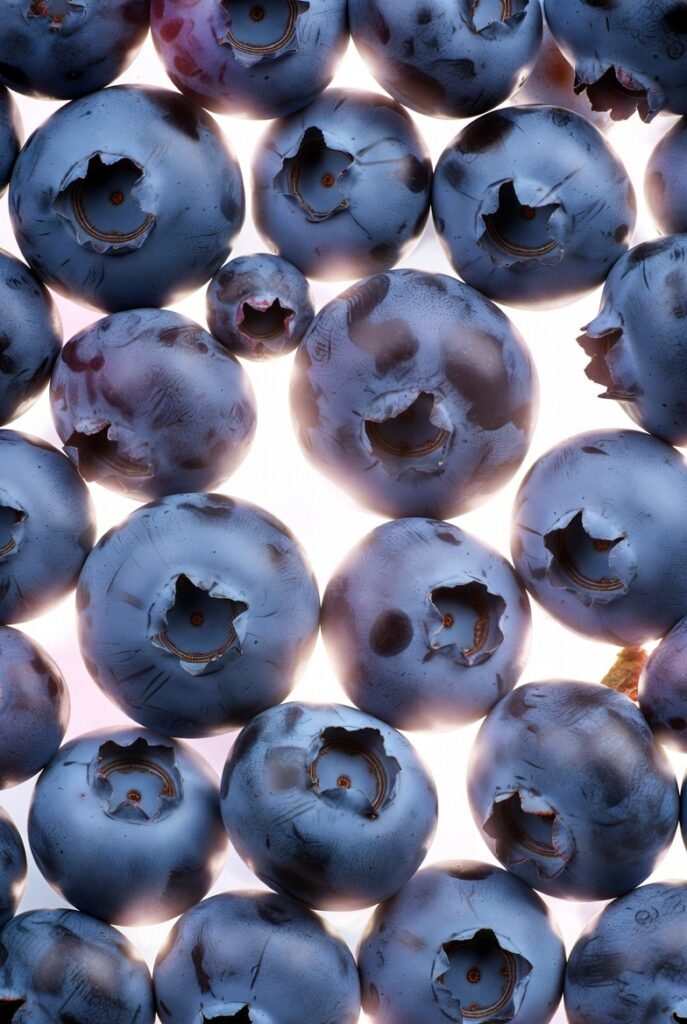
Research into extreme environments has revealed fascinating insights into how the human body adapts under stress. In some of the harshest regions on Earth, scientists have studied natural compounds that help protect cells from environmental strain.
These findings sparked broader discussions in the scientific community about how certain naturally occurring substances may support cellular resilience — including in tissues exposed to daily visual stress.
Rather than focusing on treatment or cures, this line of research explores how nature itself provides compounds that help the body maintain balance and function over time.
People Are Sharing Their Experiences With This New Approach
These are individual stories from people who chose to explore a different way of supporting visual comfort as part of their daily routine.
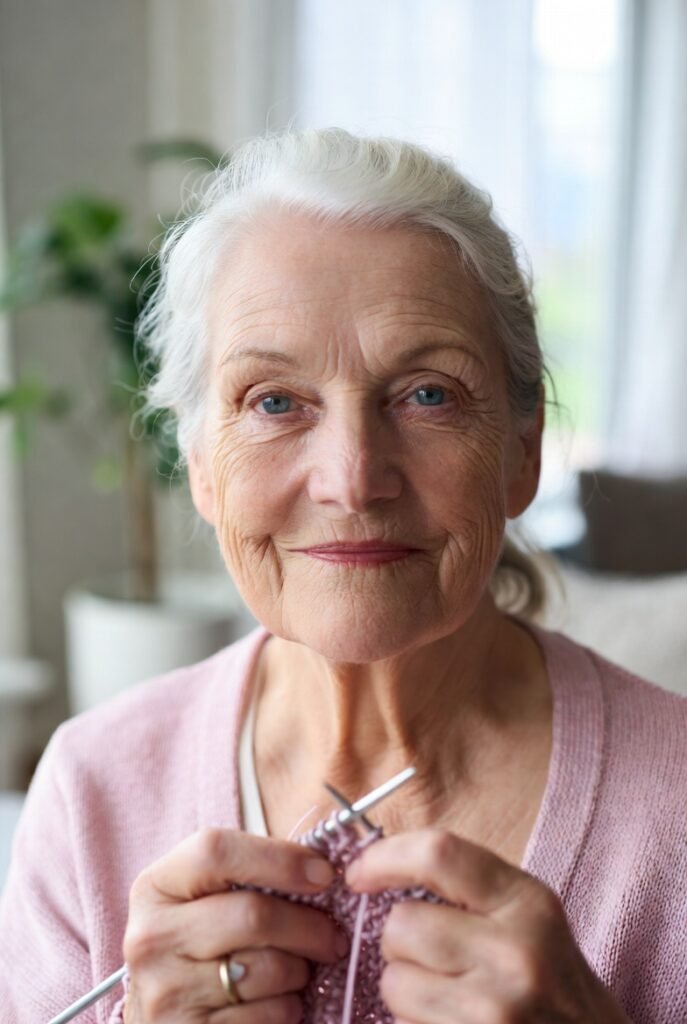
Margaret P., 72
“Knitting has always been my favorite way to relax. Over time, it became harder for my eyes to stay comfortable for long sessions. After adjusting my daily routine with this program, I feel more confident spending time on the things I love again.”
Joe R., 65
“I had slowly stopped enjoying outdoor activities that require focus. Since following this approach, my eyes feel more comfortable, especially during long days outside. Getting back to the golf course has been incredibly rewarding.”
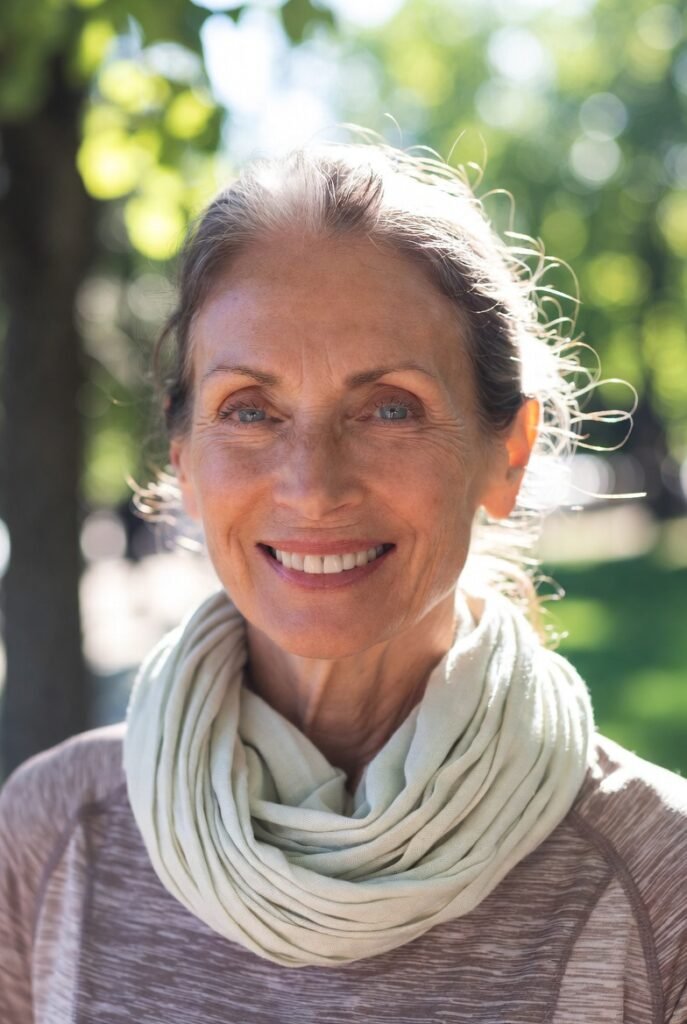
Sarah L., 48
“I didn’t expect much at first, but I noticed my eyes felt less strained during the day. My overall visual comfort improved, especially when watching TV or following fast-moving action.”
These experiences are increasingly shared — yet rarely explained in a clear, practical way.